
Lessons From a Life in Vintage
Amy Abrams on resale fashion, layered homes, travel finds, and the beauty of emotional connection.

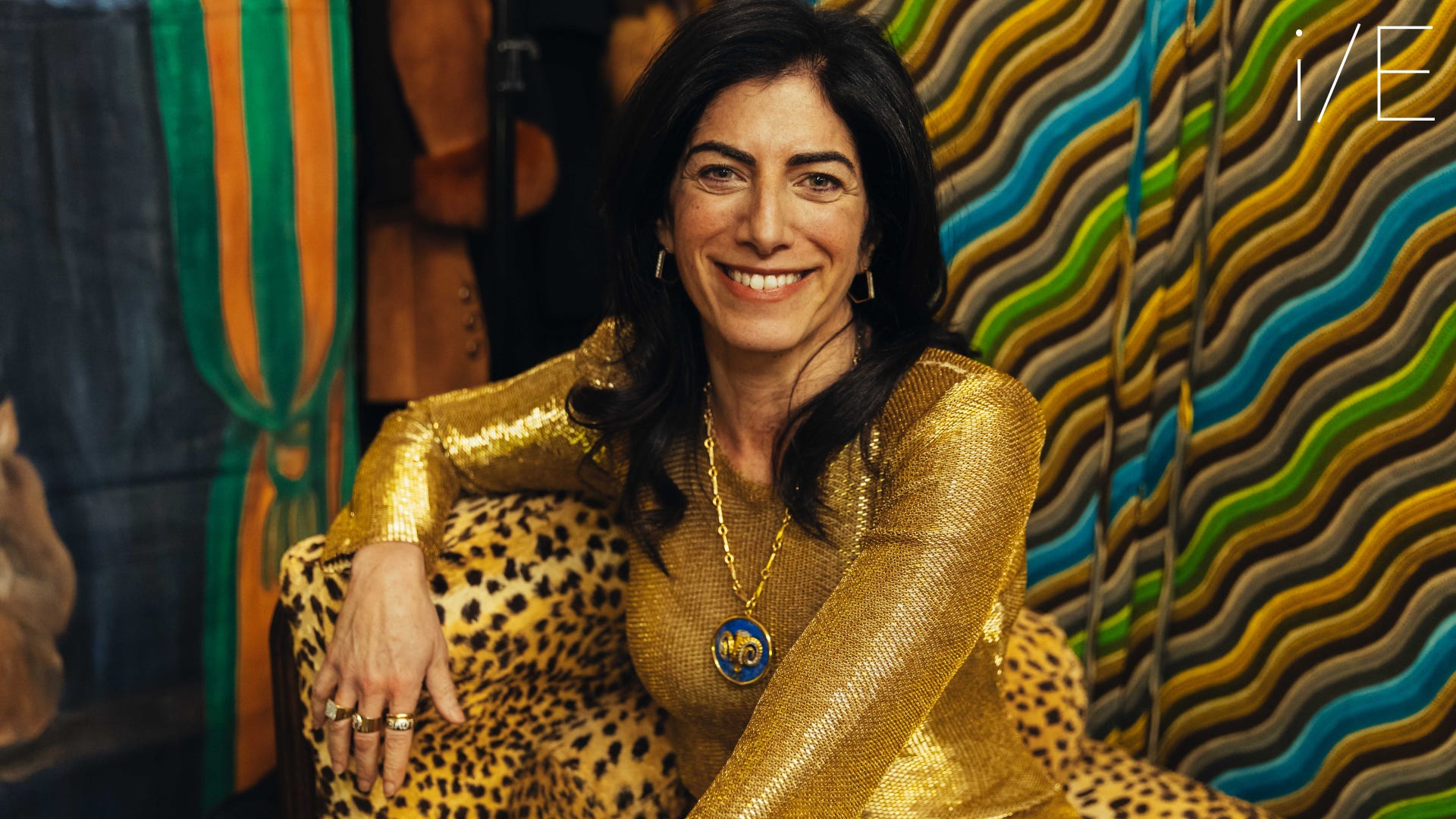
Amy Abrams, whom I featured here last week, has spent over two decades immersing herself in the world of makers and vintage finds. In doing so, she’s maintained an approach to style, collecting, and even entertaining that feels refreshingly pragmatic.
The co-owner of Manhattan Vintage and other markets offers a larger lesson for us all: that a signature look — whether in your closet or your living room — comes from choosing pieces with history, personality, and, like art, an emotional connection.
The way I see it, one of vintage fashion’s greatest appeals is that I never see myself walking down the street. Wearing something pre-loved is the perfect way to accent a new piece and make it my own.
Here’s some more of Amy’s signature aesthetic and how to adopt versions of it for yourself.
The Eras Tour: Rewind to What Works for You
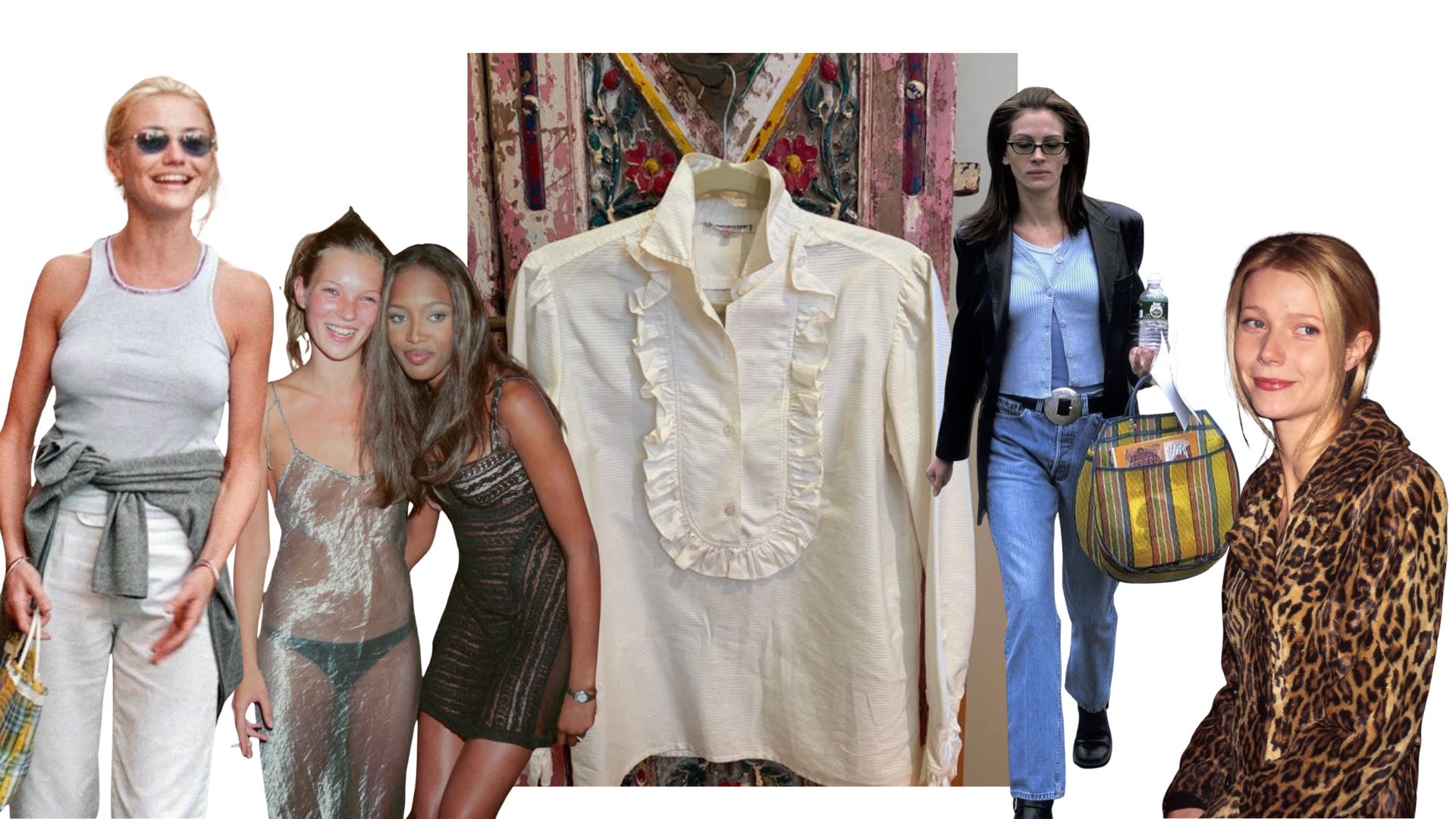
Sometimes, the decade that resonates most changes with life experience, and as one’s personal taste evolves.
“For a long time, I loved the ’70s and ’80s,” says Amy, “but I’ve rediscovered a real appreciation for the ’90s.”
Part of that connection is personal nostalgia; She was in college and entering the workforce during that decade. But I bet it’s also about practicality and taste. After all, she says it’s the era’s “streamlined, tailored sensibility” that speaks to her now in a way it didn’t before.
To me, this proves how important it is not to chase whatever vintage decade is currently trending online, but rather to focus on silhouettes and moods that genuinely fit your current, and personal, lifestyle. Minimal tailoring, relaxed suiting, and clean lines — hallmarks of the ’90s — can feel surprisingly modern because they’re wearable in everyday life, which explains why Amy’s never met a tuxedo look from any decade that she didn’t love!
“I believe [they’re] as versatile as a denim shirt. You can dress it up or dress it down, and you will reliably look chic, sophisticated, and likely feel comfortable too! I have quite a collection in various colors and styles, but I have a Yves St. Laurent Rive Gauche one from the 70s that’s really one of my favorites.”
Why the Labels Matter Less Than the Story
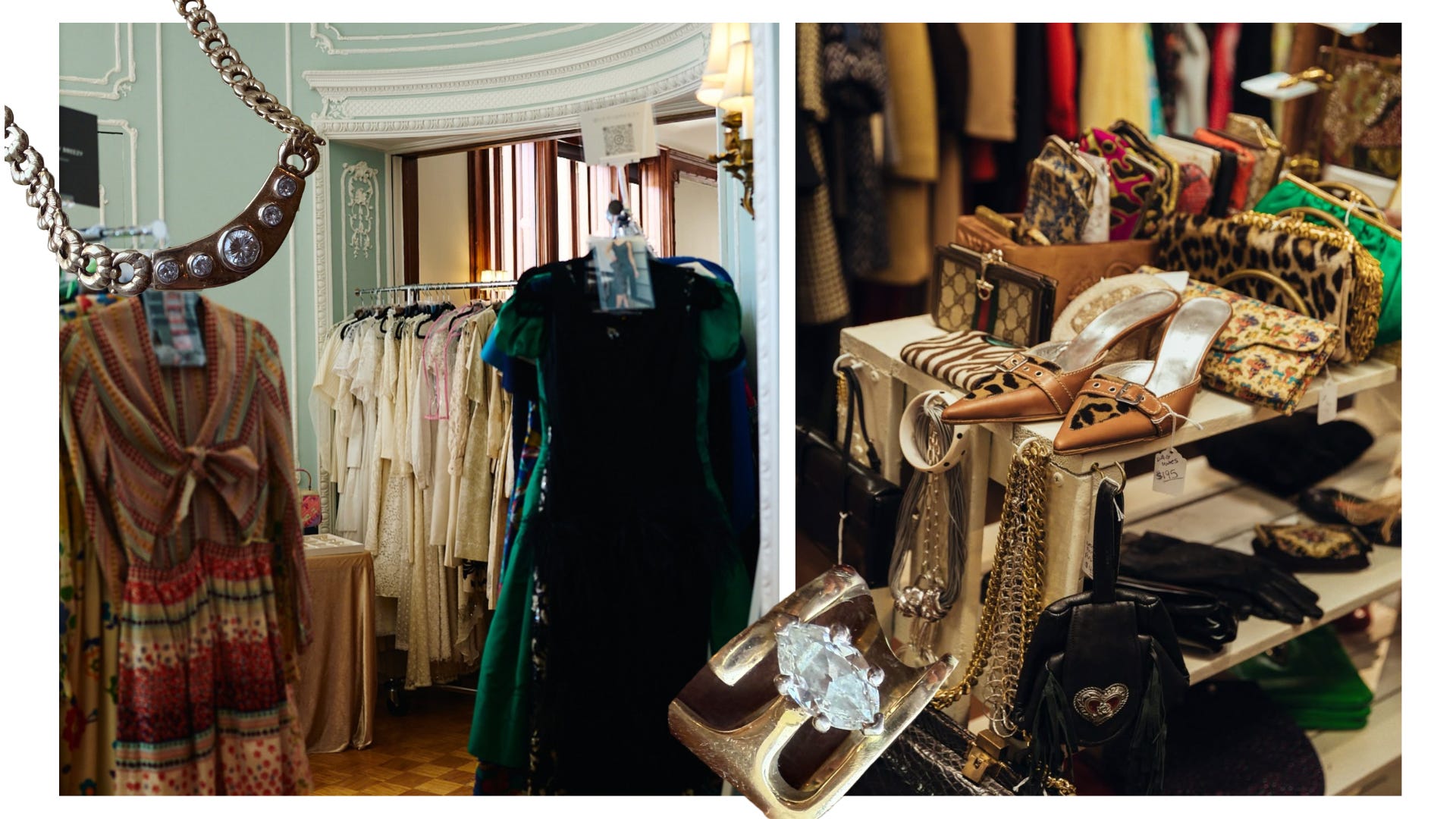
In resale, terminology can sometimes feel more important than the clothes themselves — or add (or subtract) value. But Amy takes a more grounded view when it comes to wordplay.
Traditionally, she says, vintage refers to items that are at least 20 years old, while “pre-loved” and “second-hand” simply indicate prior ownership. Though she claims that “pre-loved” feels more modern, while “second-hand” can sound dated.
Personally, my favorite pieces are vintage, dead stock, or limited editions, but the bigger point, of course, is emotional, not semantic.
“Ultimately, it’s less about the label and more about the intention behind wearing something with a history,” she says, “that someone has worn (and loved) before.”
Build a Home Around Feeling, Not Perfection
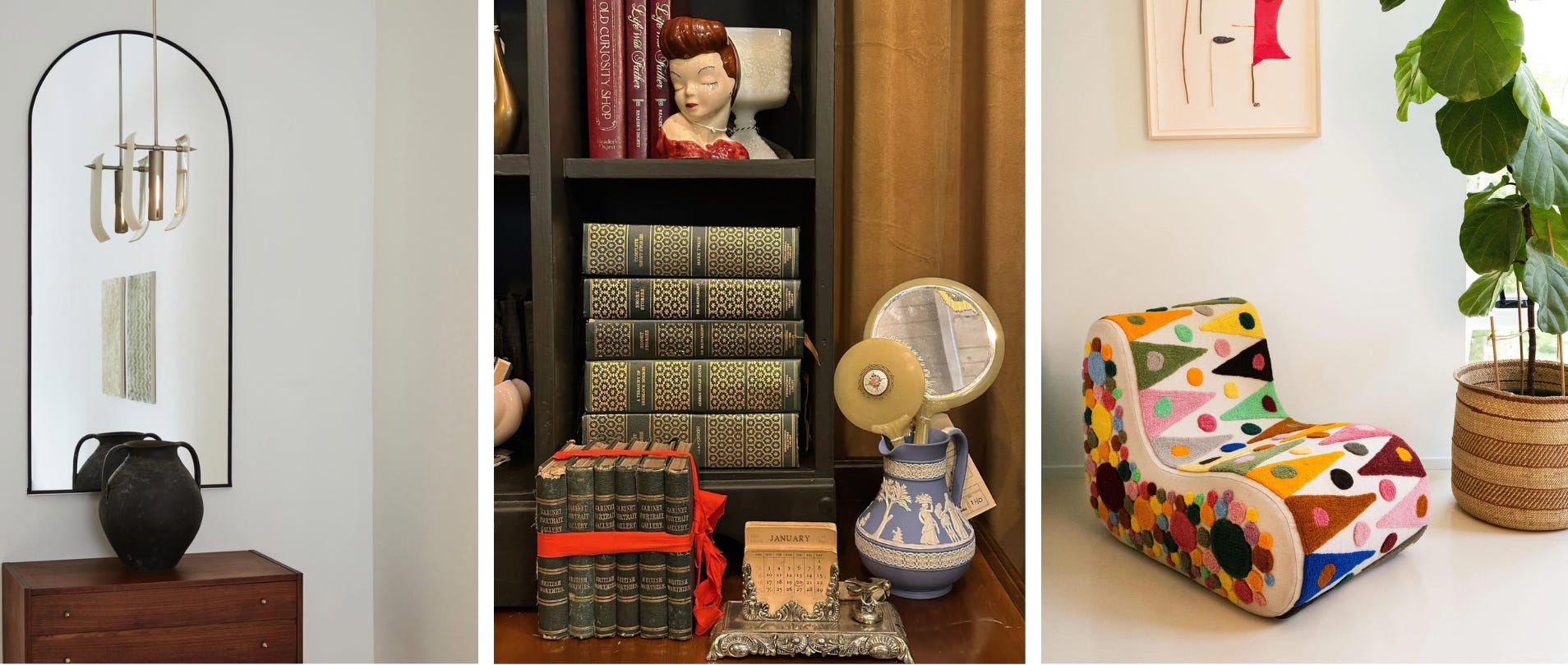
Amy’s approach to decorating mirrors her outlook on clothing: personality matters more than perfection. When asked what every home should have, she starts not with objects, but atmosphere: “love and warmth.”
From there, her essentials become deeply personal and include, simply, “things that make you happy and reflect your story,” along with beautiful lighting, plants or flowers, color, even though she admits color is “not for everybody.” Oh, and for her personally, having a dog. (I’m with you on that one, Amy!)
Comfortable homes rarely get that way from buying new or matching everything and doing so immediately. Instead, they’re layered with objects that carry emotional weight and reflect lived experience, over time.
Paid subscribers get access to the full feature, including Amy’s travel and dining tips. If you enjoy thoughtful style, smart recommendations, and conversations that go a little deeper, consider joining us. Your support helps keep i/Edit independent and alive!
